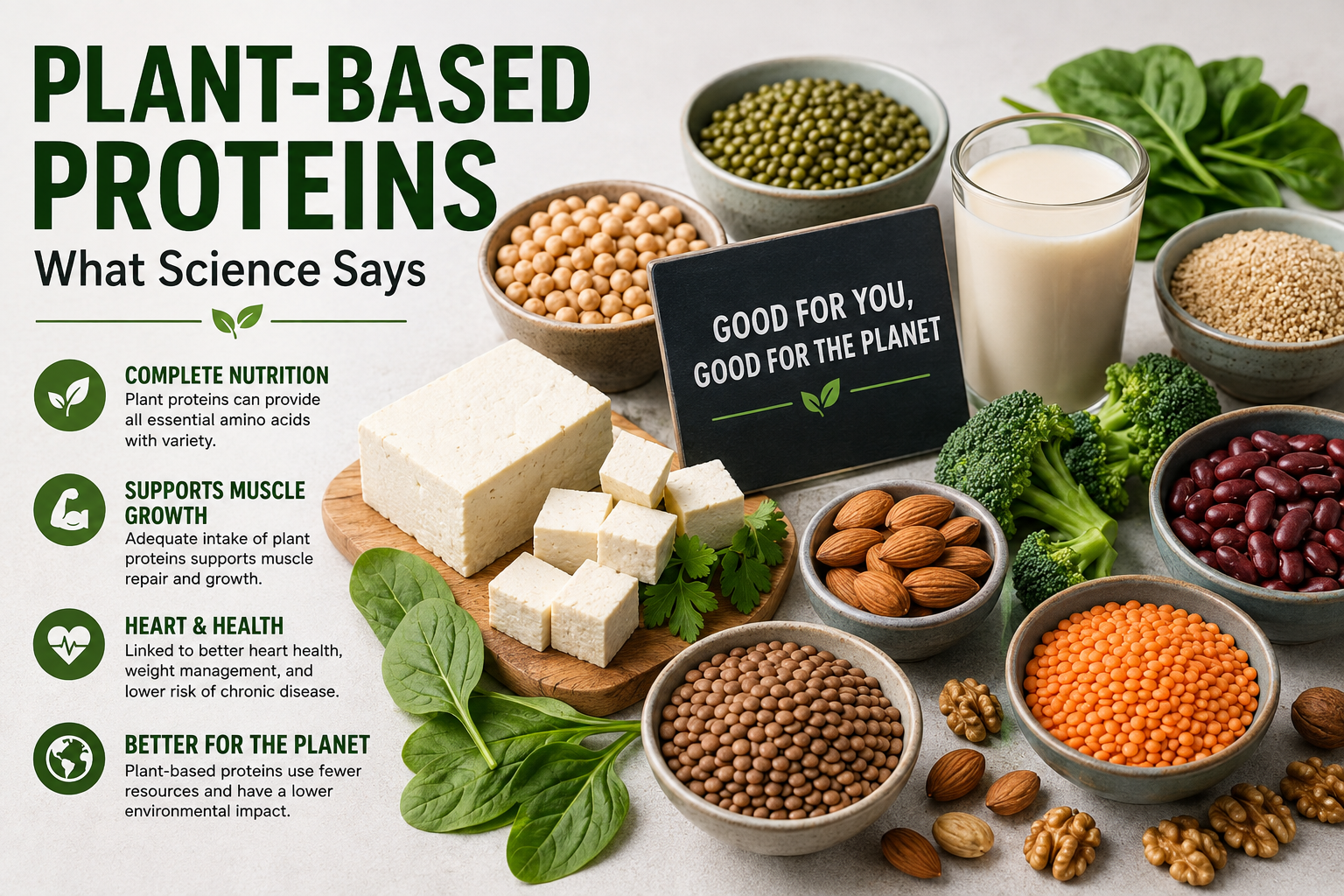
The growing interest in Plant-Based Proteins has changed the way people think about muscle building, healthy eating, and long-term nutrition. More people are adding beans, lentils, peas, soy, nuts, seeds, and whole grains to their diets while reducing their dependence on animal-based foods. But an important question remains: Can Plant-Based Proteins provide enough amino acids to support muscle growth, energy, recovery, and overall health? The answer is yes, although protein source, total intake, food variety, and individual nutritional needs all matter.
Protein itself is not the final requirement of the human body. During digestion, proteins are broken down into amino acids, which are then used to build and repair tissues, produce enzymes and hormones, and support many other biological processes. Understanding amino acids and protein quality makes it easier to see where plant proteins fit into a healthy diet.
What Are Plant-Based Proteins?
Plant-Based Proteins are proteins obtained from foods that come from plants. Common sources include beans, lentils, chickpeas, peas, soybeans, tofu, tempeh, nuts, seeds, oats, quinoa, and other whole grains.
Some plant foods contain considerably more protein than others. Lentils and beans, for example, can contribute substantial amounts of protein, while vegetables and fruits generally contribute smaller amounts. Soy foods such as tofu and tempeh are particularly useful because they provide relatively concentrated plant protein.
Plant proteins also arrive in a package containing other nutrients. Depending on the food, that package may include dietary fiber, vitamins, minerals, unsaturated fats, and various plant compounds. This is one reason why whole plant foods can contribute to an overall nutritious dietary pattern.
Plant-Based Proteins and Essential Amino Acids
To understand Plant-Based Proteins, it is important to understand essential amino acids. The human body requires nine amino acids from food because it cannot make them in sufficient amounts on its own.
Animal foods such as eggs, dairy, fish, and meat generally provide all nine essential amino acids in substantial amounts. Some plant foods can also provide all nine essential amino acids. Soy, quinoa, and certain other plant foods are examples of plant sources that can provide a complete set of essential amino acids.
However, the amount and balance of individual amino acids can vary between plant foods. Legumes tend to provide plenty of lysine but are relatively lower in methionine, while many grains provide methionine but are relatively lower in lysine.
This does not mean plant proteins are inadequate. Eating a varied diet throughout the day can provide the amino acids needed by the body.
Plant-Based Proteins and Protein Quality
Protein quality is more complicated than simply labeling a food “complete” or “incomplete.” Scientists consider factors such as amino-acid composition, digestibility, and how efficiently absorbed amino acids can be used by the body.
Some plant proteins can have lower digestibility than certain animal proteins, partly because plant foods contain fiber and other compounds that can influence digestion. Processing and cooking can also change protein availability.
This means that comparing proteins by grams alone does not always tell the complete story. The overall quality and quantity of protein in the diet matter.
Plant-Based Proteins vs Animal Proteins
Both plant and animal proteins can contribute to a healthy diet. The main difference is not that one category is automatically healthy and the other is automatically unhealthy. The nutritional value depends on the specific food, preparation method, portion size, and overall dietary pattern.
For example, lentils provide protein along with fiber and minerals, while tofu provides protein and other nutrients. On the animal side, eggs and fish provide highly digestible protein along with different vitamins and minerals.
The best dietary pattern for an individual can depend on personal preferences, cultural food choices, nutritional requirements, budget, and health goals.
Comparing Plant-Based Proteins and Animal Proteins
| Protein Source | Protein Quality | Other Nutritional Features | Examples |
|---|---|---|---|
| Soy | High-quality plant protein | Protein, minerals, healthy fats depending on food | Tofu, tempeh, soybeans |
| Lentils | Good protein source | High in fiber and minerals | Red, green, brown lentils |
| Beans | Good protein source | Fiber, minerals, complex carbohydrates | Kidney beans, black beans |
| Peas | Useful plant protein | Fiber and other nutrients | Green peas, pea protein |
| Quinoa | Complete amino-acid profile | Fiber and minerals | Whole quinoa |
| Eggs | High-quality animal protein | Several vitamins and minerals | Whole eggs |
| Fish | High-quality animal protein | Protein and beneficial fats in many varieties | Salmon, sardines |
| Dairy | High-quality protein | Calcium and other nutrients | Milk, yogurt |
The table demonstrates why protein quality should be considered alongside the broader nutritional value of the food.
Plant-Based Proteins and Muscle Growth
One of the most common questions about Plant-Based Proteins is whether they can support muscle growth. The answer is yes, provided that total protein intake, amino-acid availability, resistance training, and overall nutrition are appropriate.
Muscle protein synthesis requires essential amino acids, particularly the branched-chain amino acid leucine. Some plant foods contain less leucine per serving than certain animal proteins, which means people relying heavily on plant proteins may benefit from consuming sufficient total protein and choosing protein-rich plant foods.
Soy, peas, beans, lentils, and other concentrated plant protein sources can contribute significantly to daily protein intake.
Plant-Based Proteins for Athletes
Athletes and highly active individuals may have higher protein requirements than sedentary people. A plant-based athlete can meet protein needs by consuming a variety of protein-rich foods and paying attention to total daily intake.
Instead of relying on one food, athletes can include tofu, tempeh, lentils, beans, peas, soy milk, nuts, seeds, whole grains, and other protein-containing foods throughout the day.
Plant protein powders can also be useful when convenience is important. Soy, pea, rice, and blended plant proteins are commonly available options.
The important factor is not whether every individual meal contains a perfect protein source. Total daily protein and overall amino-acid intake are more important.
Plant-Based Proteins and Protein Pairing
The idea of protein combining became popular because different plant foods have different amino-acid patterns. For example, grains and legumes complement each other because their amino-acid profiles differ.
However, you do not necessarily need to combine rice and beans in the exact same meal. The body maintains a pool of amino acids, and eating a varied diet throughout the day can provide complementary amino acids.
A meal containing rice and lentils is still a useful combination, but eating oats at breakfast, chickpeas at lunch, and tofu at dinner can also contribute to a balanced amino-acid intake.
Best Plant-Based Proteins to Combine
Combining different plant protein sources can make a diet more varied and nutritionally complete. Legumes can be paired with grains, while soy foods can provide a concentrated protein source on their own.
For example, lentils with brown rice, chickpeas with whole-grain bread, or beans with corn can create complementary protein combinations. Nuts and seeds can add additional protein and healthy fats to meals.
The goal is variety rather than complicated meal planning.
Plant-Based Proteins and Digestibility
Digestibility is another important part of protein quality. Some plant foods contain compounds such as phytates and other substances that can influence the absorption of certain nutrients. However, preparation methods such as soaking, cooking, fermenting, and processing can change the nutritional properties of foods.
This is why it is misleading to assign one fixed absorption percentage to all plant proteins. Lentils, tofu, peas, soy protein isolate, oats, and nuts do not have identical digestibility.
Cooking also makes many legumes easier to digest and improves their overall usability as a food source.
Plant-Based Proteins and Fiber
One major advantage of many whole Plant-Based Proteins is that they often come with dietary fiber. Fiber supports digestive health and can contribute to feelings of fullness.
Beans, lentils, chickpeas, peas, and many whole grains provide both protein and fiber. This combination can make meals more satisfying and can support a healthy dietary pattern.
Animal proteins generally contain little or no fiber, so people who reduce animal foods need to make sure they are including enough plant foods to meet their fiber needs.
Plant-Based Proteins and Heart Health
Plant-based dietary patterns have received considerable attention in cardiovascular nutrition. Replacing some foods high in saturated fat with plant-based protein sources can be beneficial for overall dietary quality.
Foods such as beans, lentils, soy, nuts, and seeds can contribute protein while also providing fiber or unsaturated fats, depending on the food.
However, not every product labeled “plant-based” is automatically healthy. Highly processed plant-based foods can vary widely in their levels of sodium, saturated fat, added sugars, and overall nutritional value.
The quality of the entire diet matters more than a single label.
Plant-Based Proteins and Environmental Benefits
Another reason people choose Plant-Based Proteins is their potential environmental advantage. Producing different types of protein can require different amounts of land, water, energy, and other resources.
Replacing some animal-based foods with plant-based protein sources can reduce the environmental impact of a person’s dietary pattern, although the exact benefit depends on which foods are being compared and how they are produced.
This is one reason legumes and other plant protein sources are increasingly discussed in sustainable nutrition.
Plant-Based Proteins and Daily Protein Needs
Protein requirements differ according to age, body size, physical activity, health status, and individual goals. Someone who regularly performs resistance training may require more protein than someone who is largely sedentary.
Rather than focusing on a rigid “20% compensation rule,” it is more useful to focus on sufficient total protein and a variety of protein sources. People eating predominantly plant-based diets may benefit from slightly larger portions or more concentrated protein sources because some plant foods contain less protein per calorie and can differ in digestibility.
A balanced approach is more practical than assuming that every plant meal needs exactly 20% more protein.
Simple Plant-Based Protein Comparison
Approximate Protein Density

Soy Foods        ████████████████████
Lentils          ███████████████
Chickpeas        █████████████
Beans            █████████████
Peas             ███████████
Oats             ███████
Nuts & Seeds     ███████

Higher protein density
        ↓
Protein content varies by food and serving size
This graph is a simple visual comparison rather than an exact measurement. Protein content can vary significantly depending on the specific food, preparation method, and serving size.
How to Build a Balanced Plant-Based Protein Meal
A balanced meal does not need to be complicated. A bowl containing lentils, vegetables, and whole grains can provide protein, fiber, carbohydrates, vitamins, and minerals.
Another option could include tofu with vegetables and brown rice. Chickpeas can be added to salads, while beans can be included in soups, wraps, or grain-based meals.
The goal is to make protein a regular part of meals rather than trying to consume a very large amount at one time.
Plant-Based Proteins and Micronutrients
People following predominantly plant-based diets should consider more than protein. Nutrients such as vitamin B12, iron, zinc, calcium, iodine, vitamin D, and omega-3 fats can require particular attention depending on the foods included.
Vitamin B12 deserves special attention because reliable natural plant sources are limited. People avoiding animal products may need fortified foods or supplements to meet their needs.
Iron from plants is generally less readily absorbed than heme iron from animal foods, but eating iron-rich plant foods alongside vitamin C sources can support iron absorption.
This is why a well-planned plant-based diet should focus on overall nutritional adequacy rather than protein alone.
The Future of Plant-Based Proteins
The Plant-Based Proteins market is continuing to evolve. Researchers and food companies are developing new protein ingredients made from peas, soy, beans, fungi, algae, and other sources.
New processing technologies are also being used to improve texture, flavor, digestibility, and amino-acid composition. Blended protein products may combine different plant sources to create a more balanced amino-acid profile.
Future plant protein products may become more affordable, nutritionally complete, and convenient, making them easier to incorporate into everyday diets.
However, whole foods will remain important. A healthy diet does not need to depend entirely on highly engineered protein products when beans, lentils, soy, nuts, seeds, and grains are already valuable sources of nutrition.
Final Thoughts on Plant-Based Proteins
Plant-Based Proteins can absolutely be part of a diet that supports muscle, energy, recovery, and long-term health. The science does not support the idea that plant protein is automatically inadequate. Instead, the quality, quantity, digestibility, amino-acid profile, and variety of protein sources all matter.
People following a plant-based diet can obtain essential amino acids by eating a diverse range of protein-rich foods throughout the day. Legumes, soy foods, peas, whole grains, nuts, and seeds can all contribute to daily protein intake.
The most practical approach is to focus on variety rather than searching for one perfect protein source. With thoughtful food choices and attention to important nutrients, Plant-Based Proteins can support both individual health goals and a more sustainable approach to eating.