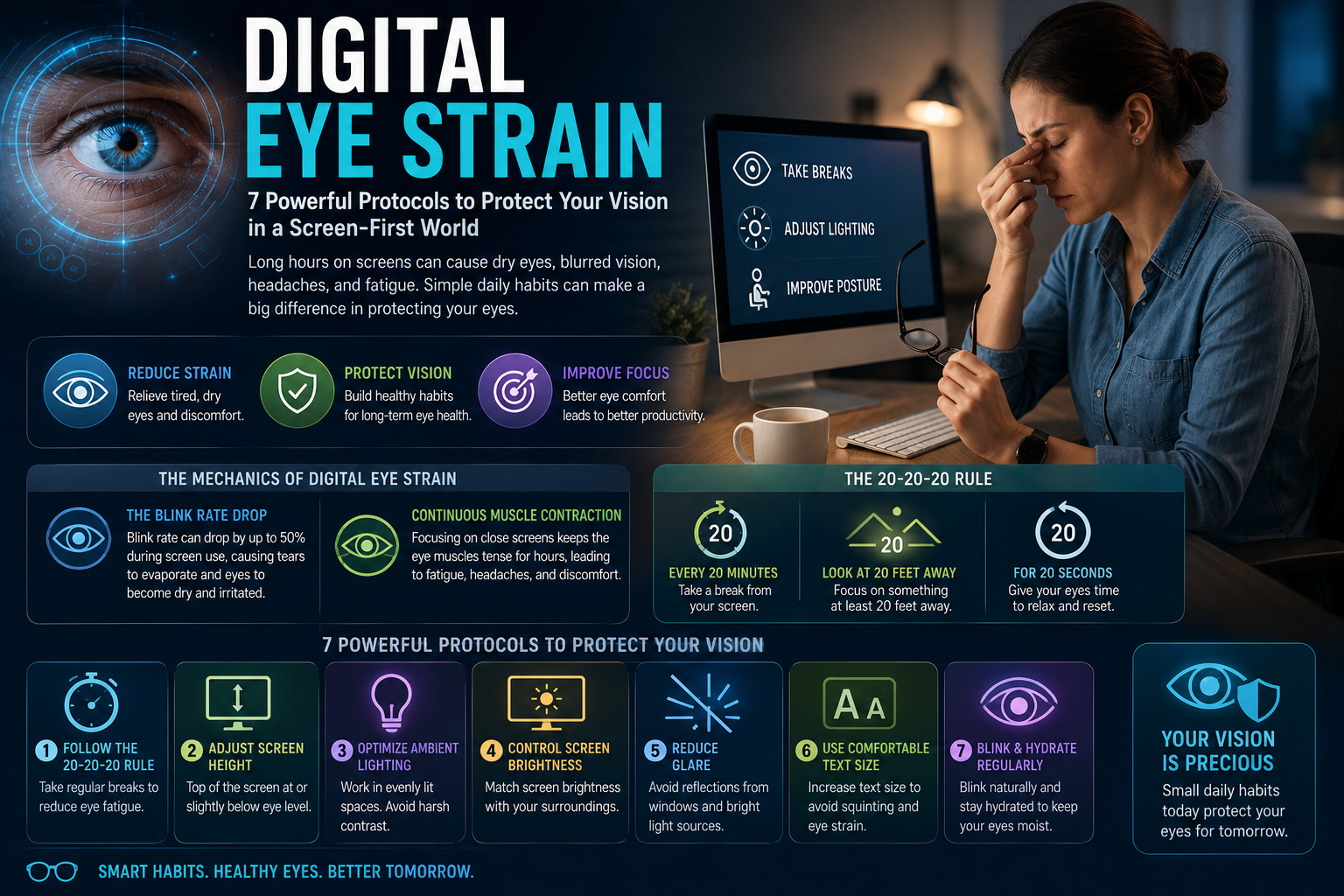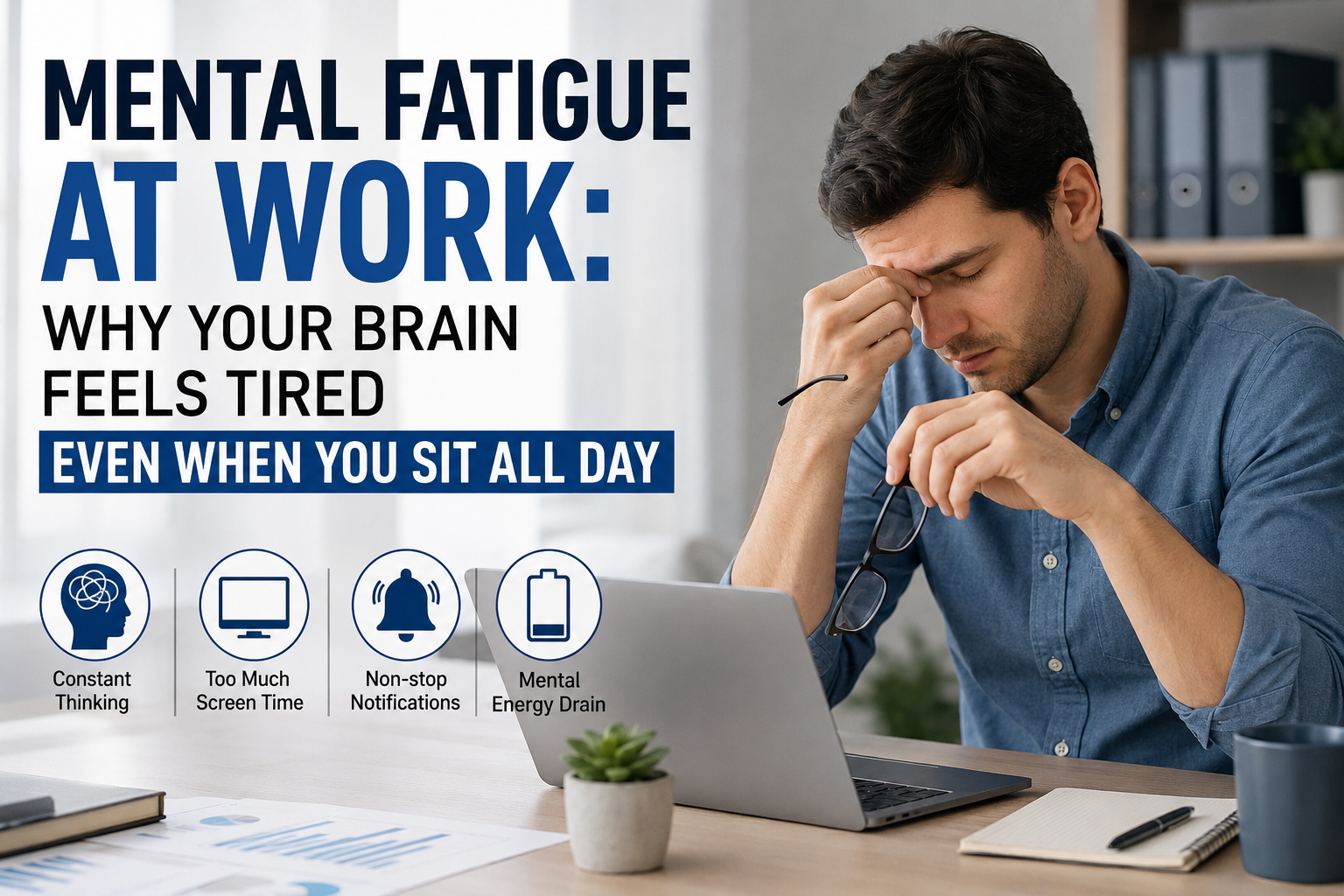
A nervous system overwhelmed by prolonged stress can affect much more than a person’s mood. It can influence sleep, energy, concentration, digestion, emotional reactions, and the ability to enjoy normal daily activities. Burnout usually does not appear overnight. It can develop gradually when work pressure, personal responsibilities, poor sleep, emotional stress, and constant stimulation continue for a long time without enough recovery.
The subtle signs your nervous system is overwhelmed may initially seem harmless. You may feel tired but unable to relax, become irritated by small things, avoid conversations, or notice changes in your normal routine. Because these symptoms can have many possible causes, they should not automatically be treated as a medical diagnosis. However, recognizing these patterns can be an important reason to pay closer attention to stress, rest, and overall wellbeing Burnout.
Understanding an Overwhelmed Nervous System
The nervous system plays an important role in helping the body respond to its surroundings. When a person experiences a stressful situation, the body can become more alert and prepared to respond. This natural stress response can be useful when it lasts for a short period.
The difficulty comes when stressful situations become continuous. Instead of feeling relaxed after a challenge ends, a person may continue thinking about deadlines, work, relationships, finances, responsibilities, or other concerns.
Over time, this constant pressure can make relaxation more difficult. A person may continue functioning normally on the outside while internally feeling exhausted, tense, or unable to switch off.
This is why burnout can be difficult to recognize in its early stages. Someone may still go to work, complete household responsibilities, communicate with others, and meet deadlines while gradually losing their physical and emotional energy Burnout.
The Subtle Signs Your Nervous System Is Overwhelmed
Some signs of prolonged stress are easy to overlook because they can appear normal when considered individually. Being tired after a busy day is normal, for example. However, constantly feeling exhausted while also being unable to relax may deserve more attention.
| Sign | What It May Feel Like | Possible Relationship With Stress |
|---|---|---|
| Tired but wired | Feeling exhausted but mentally active at night | Ongoing alertness may make relaxation and sleep more difficult |
| Increased reactivity | Small problems feel unusually irritating | Prolonged stress can make everyday demands feel harder to manage |
| Digestive changes | Stomach discomfort or changes in digestion | Stress can influence communication between the brain and digestive system |
| Social withdrawal | Conversations and plans feel exhausting | Mental and emotional fatigue may reduce interest in social interaction |
These experiences do not automatically mean that a person has a dysregulated nervous system or burnout. They can occur for many different reasons. The important thing is to notice whether several changes are happening together and whether they are continuing for a significant period Burnout.
Feeling Tired but Still Unable to Relax
One of the most common experiences associated with prolonged stress is feeling physically exhausted while mentally remaining active.
A person may spend the entire day waiting to rest, but when bedtime arrives, their thoughts become more active. They may think about unfinished work, tomorrow’s responsibilities, personal problems, conversations, or things they need to remember.
This tired but wired feeling can make proper recovery difficult. Even when someone has enough time available for sleep, their mind may not feel ready to slow down Burnout.
Poor sleep can then create another problem. Lack of quality sleep may contribute to tiredness, difficulty concentrating, irritability, and reduced emotional resilience during the following day. Another stressful day can then make it harder to relax at night.
This can create a repeating cycle in which stress affects sleep and poor recovery makes stress feel even more difficult Burnout.
Becoming More Reactive to Small Problems
Another subtle sign that your nervous system may be overwhelmed is becoming unusually reactive to everyday situations.
A minor inconvenience that normally would not matter may suddenly feel extremely frustrating. A loud sound, delayed response, unexpected change, or small mistake can produce a stronger emotional reaction than expected Burnout.
This does not necessarily mean that a person’s personality has changed. When someone is already dealing with a large amount of mental pressure, they may have less emotional capacity available for additional problems.
Burnout The key is to look for a pattern rather than one isolated incident. Everyone becomes irritated sometimes. The concern is when increased irritability or sensitivity becomes noticeably different from a person’s usual behavior and continues over time.
Digestive Changes and Prolonged Stress
The relationship between stress and digestion is another reason people may notice physical changes when their nervous system is overwhelmed.
Burnout The brain and digestive system communicate with each other through complex biological pathways. Because of this connection, stressful periods can sometimes coincide with changes in appetite, stomach discomfort, bloating, or other digestive experiences.
However, digestive symptoms can have many causes, including food choices, medications, infections, allergies, and medical conditions. It is therefore not appropriate to assume that every digestive problem is caused by stress.
If symptoms repeatedly appear during stressful periods, however, it may be useful to consider the broader connection between stress, sleep, eating habits, physical activity, and daily routines.
Persistent, severe, or concerning digestive symptoms should be discussed with a qualified healthcare professional.
When Social Interaction Becomes Exhausting
Social withdrawal can also appear when a person is experiencing prolonged emotional and mental exhaustion.
Burnout You may technically have enough time to meet friends or family, but the thought of having a conversation may feel like another task. You might stop responding to messages, cancel plans, or prefer to spend most of your free time alone.
Having some quiet time is completely normal. In fact, alone time can be restorative. The concern is when social withdrawal becomes unusual for you and continues because interacting with others feels too exhausting.
Supportive relationships can be valuable during stressful periods. Talking with someone you trust may provide emotional support and help reduce the feeling that every problem must be handled alone.
Why One Weekend of Rest May Not Be Enough
A common misunderstanding about burnout is that one relaxing weekend should completely restore a person.
A short break can certainly help, but prolonged stress may require more consistent changes. If free time is still filled with work emails, phone notifications, social media, household responsibilities, and constant information, the brain may continue receiving stimulation even when work has officially ended.
Real recovery can therefore involve creating regular periods with fewer demands.
This does not mean avoiding responsibilities. Instead, it means making room for activities that genuinely allow you to slow down. Reading, walking, spending quiet time outdoors, talking with supportive people, or simply stepping away from unnecessary notifications can create small opportunities for recovery.
Creating a Better Rest Strategy
If you recognize several subtle signs your nervous system is overwhelmed, it may be helpful to reconsider what rest looks like in your daily life.
Rest is not limited to sleeping. Mental rest can involve reducing information overload, while physical rest may mean slowing down after periods of intense activity.
Burnout Some people also find slow breathing exercises useful when they feel tense. A technique sometimes called a physiological sigh involves taking a deep breath through the nose, followed by a smaller additional inhale and then a slow exhale.
Breathing exercises may help some people feel calmer, but they should not be presented as a guaranteed treatment for burnout or any medical condition. The broader goal is to create regular opportunities to slow down rather than depending on one technique to solve every source of stress.
Sleep and Nervous System Recovery
Sleep is one of the most important parts of physical and mental recovery. When sleep becomes inconsistent, people may notice changes in energy, concentration, memory, mood, and patience.
A consistent sleep schedule can support healthier habits. Creating a calm bedtime routine and reducing stimulating activities before sleep may also help some people prepare for rest Burnout.
However, persistent sleep difficulties can have many causes. If problems with sleep continue or significantly affect daily life, speaking with a qualified healthcare professional can help identify possible causes and appropriate support.
Movement Can Support Stress Recovery
Physical movement can be another useful part of managing everyday stress. Exercise does not have to be extremely intense to be beneficial. Walking, stretching, light exercise, or another activity you enjoy can provide a break from mental pressure.
The most useful activity is often one that can be performed consistently without creating additional stress.
If a person is already physically exhausted, constantly forcing themselves through demanding workouts may not feel restorative. A balanced approach that considers energy levels and individual circumstances can be more sustainable.
Setting Healthy Boundaries
Sometimes the reason a person feels overwhelmed is not simply a lack of relaxation. The actual amount of pressure in their daily life may need to change.
For example, constantly checking work messages late at night can make it difficult to mentally leave work behind. Accepting too many responsibilities can also leave little space for recovery.
Burnout Healthy boundaries can create more room for sleep, relationships, hobbies, and personal time. Depending on the situation, this might involve limiting unnecessary notifications, creating clearer work hours, or deciding which responsibilities truly require immediate attention.
Setting boundaries does not mean avoiding every responsibility. It means creating a healthier balance between demands and recovery.
Digital Overload and Constant Stimulation
Modern technology has made communication easier, but it can also make it harder to disconnect.
Phones provide constant access to emails, social media, news, messages, entertainment, and work-related information. Even when someone is physically resting, their attention can continue moving between different sources of information.
This constant stimulation may contribute to the feeling that the mind never gets a genuine break.
Creating short periods without unnecessary notifications can be a simple way to reduce this pressure. The purpose is not to completely avoid technology but to use it more intentionally.
When Professional Support Is Important
Recognizing an overwhelmed nervous system should not become a way to diagnose every physical or emotional symptom.
Tiredness, sleep difficulties, digestive changes, irritability, anxiety, and social withdrawal can have many possible causes. If these experiences are persistent, severe, worsening, or interfering with everyday activities, it may be appropriate to speak with a qualified healthcare professional.
Professional support can help identify possible causes and determine what type of assistance may be appropriate. Seeking help early can also be more manageable than waiting until stress becomes completely overwhelming.
Building a Sustainable Recovery Routine
Long-term recovery is usually more realistic when it becomes part of everyday life rather than something reserved for periods of extreme exhaustion.
A healthy routine can include consistent sleep, regular movement, balanced meals, meaningful social connection, quiet periods, reasonable work boundaries, and time away from unnecessary digital stimulation.
The goal is not to create a perfect lifestyle. Stress is a normal part of life, and it cannot always be avoided. The goal is to create enough recovery and flexibility that stressful experiences do not continuously consume all available physical and emotional energy.
Listening to the Smaller Signals
The most important message behind Beyond Burnout: Subtle Signs Your Nervous System Is Overwhelmed is that a person does not have to wait for a complete breakdown before taking their wellbeing seriously.
Small changes can sometimes provide useful information. Suddenly struggling to sleep, becoming unusually reactive, losing interest in social activities, or constantly feeling exhausted may be reasons to pause and consider what has changed.
These experiences do not automatically mean burnout or nervous system dysregulation. They can simply be reminders that the current balance between stress and recovery may need attention.
Conclusion
The subtle signs your nervous system is overwhelmed can develop slowly and may become easy to ignore. Feeling tired but unable to relax, reacting strongly to small problems, experiencing digestive changes, withdrawing socially, and struggling with sleep can occur during periods of prolonged stress, although they may also have other causes.
Instead of waiting until burnout becomes severe, paying attention to these patterns can encourage earlier changes. Better sleep habits, regular movement, reduced digital stimulation, healthy boundaries, supportive relationships, and professional guidance when necessary can all contribute to overall wellbeing.
Burnout is not always a dramatic event. Sometimes it begins with small changes that gradually become normal. Learning to recognize these signals can make it easier to understand when life has become too demanding and when more recovery, support, or professional help may be needed.